Following the Pilgrim Routes of Europe: The Camino and Older Paths
Introduction
For more than a thousand years, people have walked across Europe to reach holy places. They walked to Santiago de Compostela in Spain, to Rome, and to Jerusalem. They walked for faith, for penance, and sometimes simply because the road was there. The paths they wore into the ground are still there today, marked by yellow arrows, stone crosses and old churches. This article follows the pilgrim routes of Europe, above all the Camino de Santiago, and shows how centuries of walking shaped the towns and the landscape along the way.
The Camino de Santiago
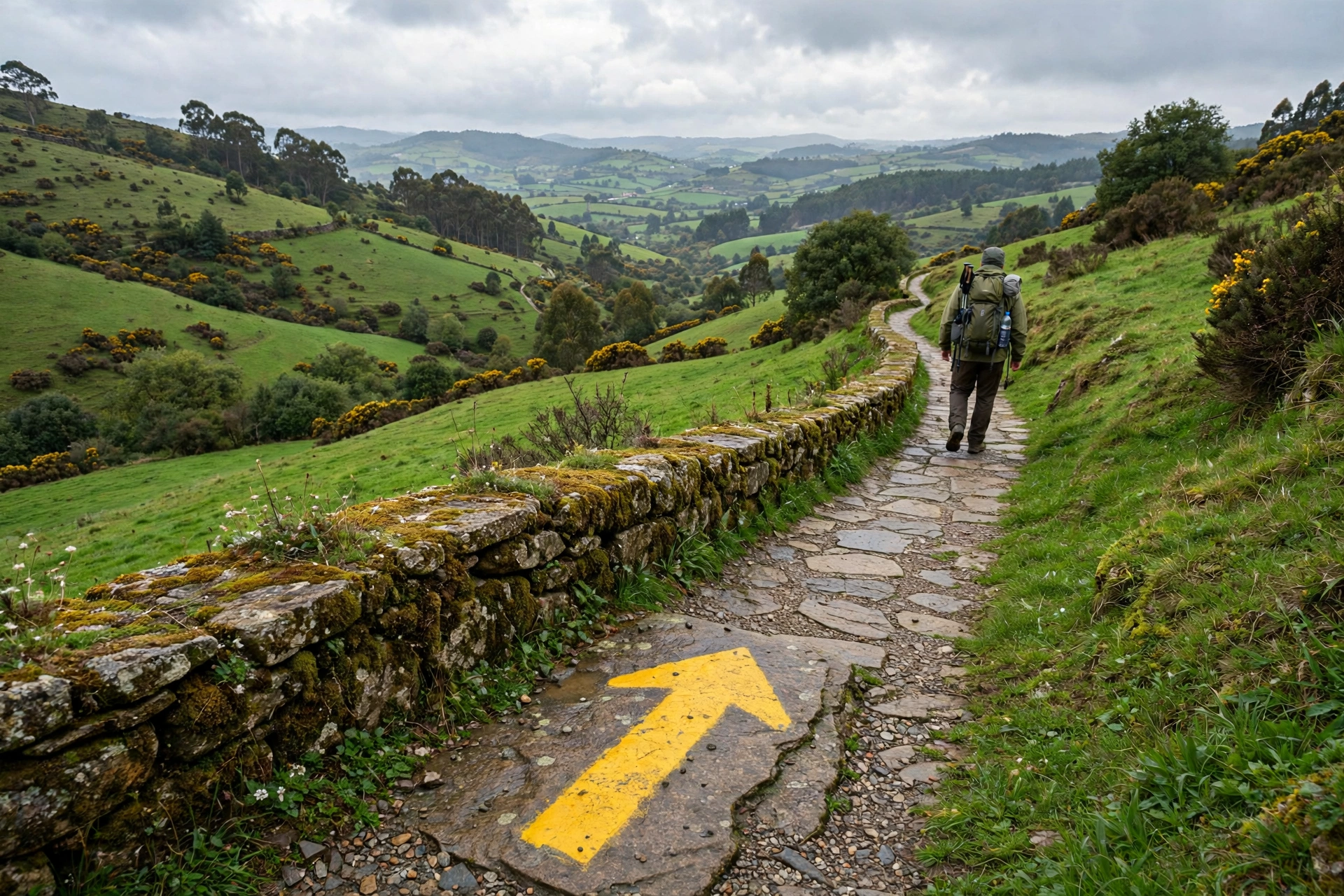
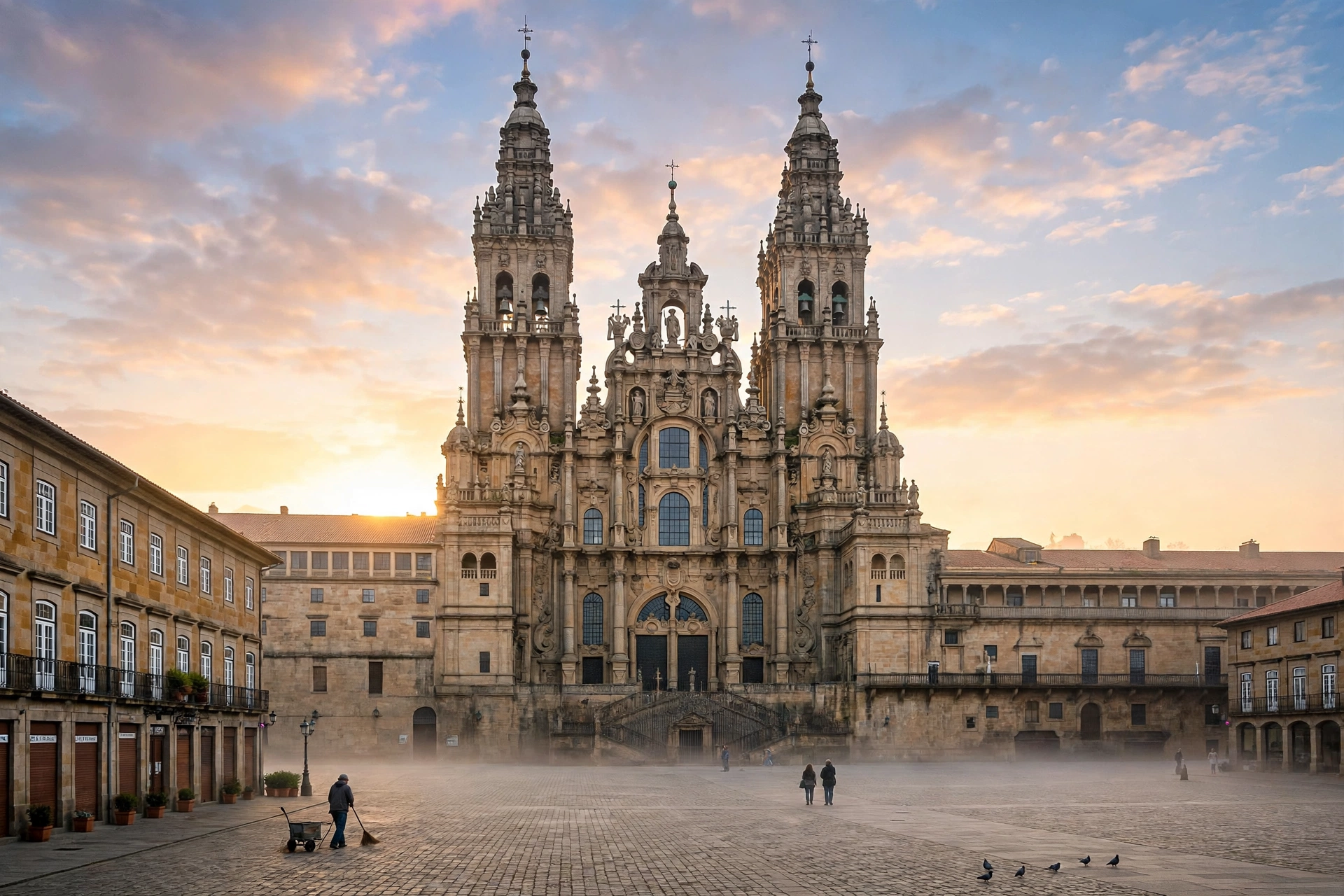
The most famous pilgrim route in Europe is the Camino de Santiago, the Way of St James. It leads to the cathedral of Santiago de Compostela in north west Spain, where the remains of the apostle St James are said to lie. The most popular route, the Camino Frances, begins in Saint Jean Pied de Port in France, crosses the Pyrenees, and runs about 780 kilometres across northern Spain to Santiago. Pilgrims usually walk it in about a month, staying in hostels called albergues along the way. The Camino is not one road but many. Routes come from France, Portugal, England and northern Spain, and they all join the main path. In the Middle Ages, hundreds of thousands of pilgrims walked these roads every year. Kings, peasants, monks and merchants all walked side by side, and the towns along the way grew rich by serving them, with inns, hospitals, churches and markets.
Older paths: to Rome and Jerusalem
The Camino was not the only pilgrim road. The Via Francigena led from Canterbury in England, through France and Switzerland, over the Alps and down through Italy to Rome. It was the road of pilgrims going to the tombs of St Peter and St Paul, and it is still walked today, though fewer people know it than the Camino. Further east, pilgrims walked to Jerusalem, crossing the Mediterranean by ship and then walking through the Holy Land. That journey was longer and more dangerous, and fewer people made it, but its stories filled the literature of Europe. The word pilgrim itself comes from the Latin peregrinus, meaning a stranger or a traveller, and the pilgrim routes were the first long distance walking routes in Europe.
What the routes built
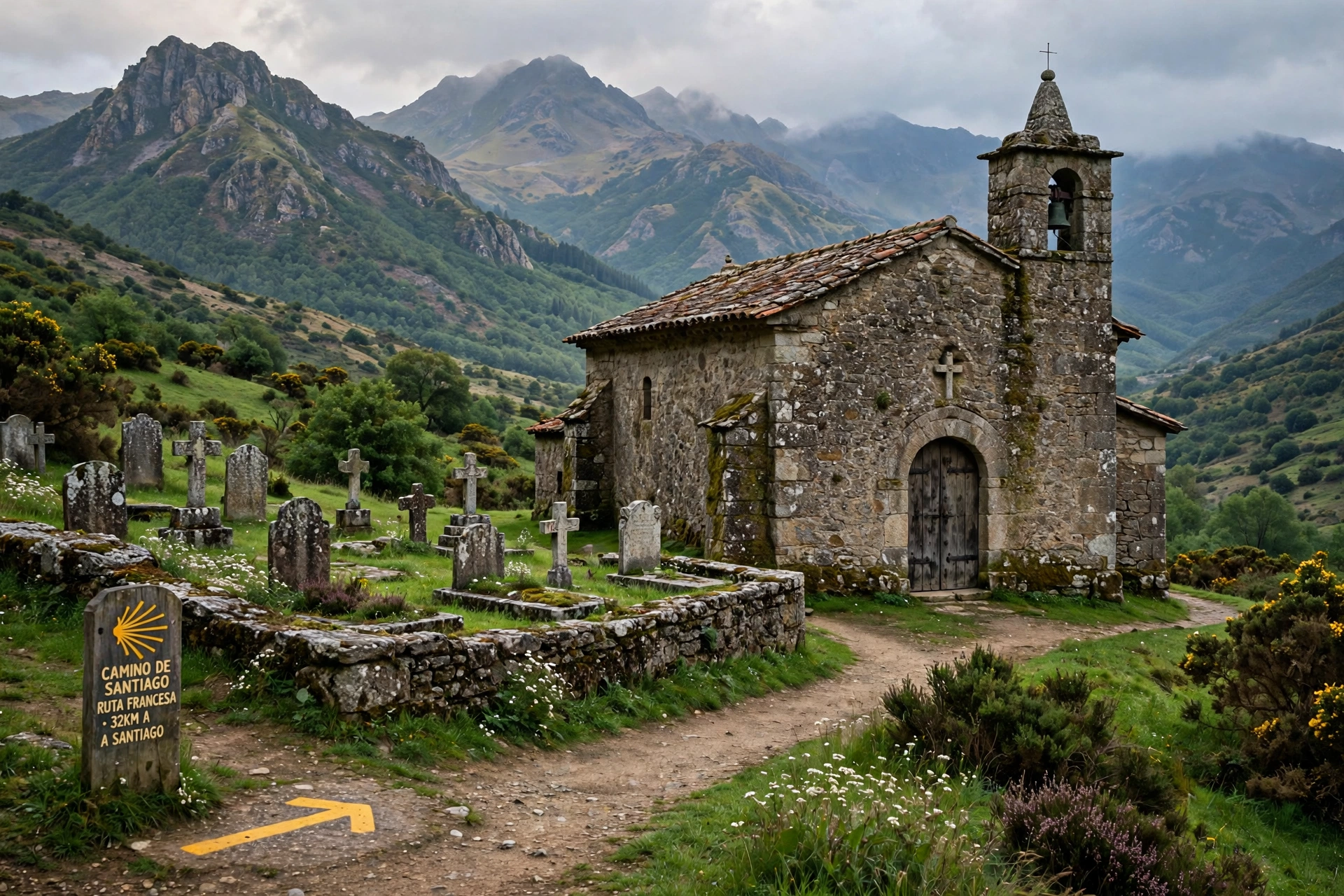
The pilgrim routes built Europe in a very real sense. Towns grew up where pilgrims stopped for the night. Churches were built to hold relics that pilgrims came to see. Hospitals were founded to care for sick travellers. Bridges were built where pilgrims needed to cross rivers, and markets grew where they needed to buy food. Many of the towns along the Camino, such as Pamplona, Burgos and Leon, owe their size and their wealth to the pilgrims who passed through. The routes also carried ideas. Pilgrims brought news, songs, stories and building styles from one country to another. The Romanesque churches that line the Camino, with their round arches and thick walls, spread across Europe because pilgrims and builders followed the same roads. Walking, in the Middle Ages, was a way of learning about the world.
Walking the Camino today
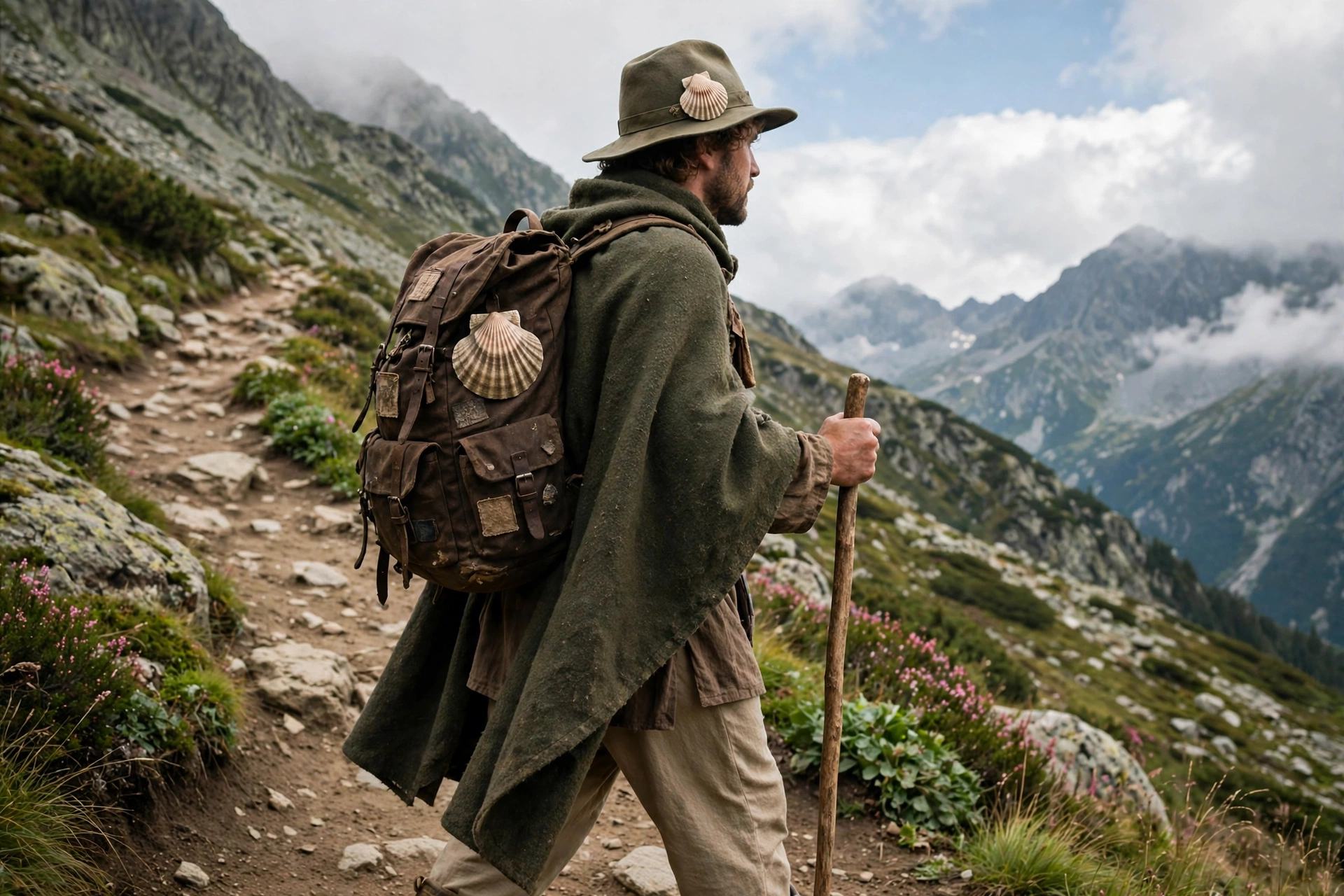
Today, the Camino is walked by hundreds of thousands of people every year, and not all of them walk for religious reasons. Many walk for the challenge, for the quiet, for the company of other walkers, or to take time away from ordinary life. The route is well marked with yellow arrows and scallop shells, the symbol of St James, and the hostels, cafes and churches along the way still serve walkers as they served pilgrims centuries ago. You do not have to walk the whole 780 kilometres. Many people walk the last 100 kilometres from Sarria, which takes about five days and still earns the pilgrim’s certificate, the Compostela. Others walk the Portuguese route from Porto, or the northern route along the coast. Whichever route you choose, the experience is the same: walk, eat, sleep, and walk again, with everything you need carried on your back.
How to plan a pilgrim walk
Start by choosing your route and your time. Spring and autumn are the best seasons, because summer is hot and crowded and winter is cold and wet. Book your first nights in advance, then walk day by day and find hostels as you go. Carry a light pack, good shoes, and a pilgrim’s credential, a small booklet that hostels stamp each day and that proves you walked the route. Walk at your own pace. The Camino is not a race, and the walkers who enjoy it most are the ones who stop in the small churches, talk to other walkers, and rest when they need to. The road has been walked for a thousand years, and it will still be there tomorrow.
Conclusion
The pilgrim routes of Europe are the oldest walking routes on the continent. They were made by feet, one step at a time, over centuries, and they shaped the towns, the churches and the culture of Europe. The Camino de Santiago is the most famous of them, but the Via Francigena and the roads to Jerusalem tell the same story. If you want to understand Europe, walk one of its old roads. The pilgrims who walked before you left the way open, and it is still waiting.
Frequently asked questions
Q: How long is the Camino Frances?
A: About 780 kilometres from Saint Jean Pied de Port in France to Santiago de Compostela in Spain. Most walkers take about 30 to 35 days to complete it.
Q: Do I need to be religious to walk the Camino?
A: No. Many modern walkers walk for the challenge, the scenery, the company or personal reasons. The route welcomes everyone, whatever their reason for walking.
Q: What is the best time of year to walk the Camino?
A: Spring (April to June) and autumn (September to October) are the best seasons, with mild weather and fewer crowds than the summer months.